 Basement moisture
Water in the basement after rain: what to check first
Water in your basement after rain? Learn how to document the entry point, distinguish runoff from groundwater, and prepare for a waterproofing assessment.
Read the guide
The Waterproofing360 journal
Practical guides to the details below the surface.
Read the clues, compare the options, and ask better questions.
8 guides to explore
Basement moistureWater in your basement after rain? Learn how to document the entry point, distinguish runoff from groundwater, and prepare for a waterproofing assessment.
Read the guide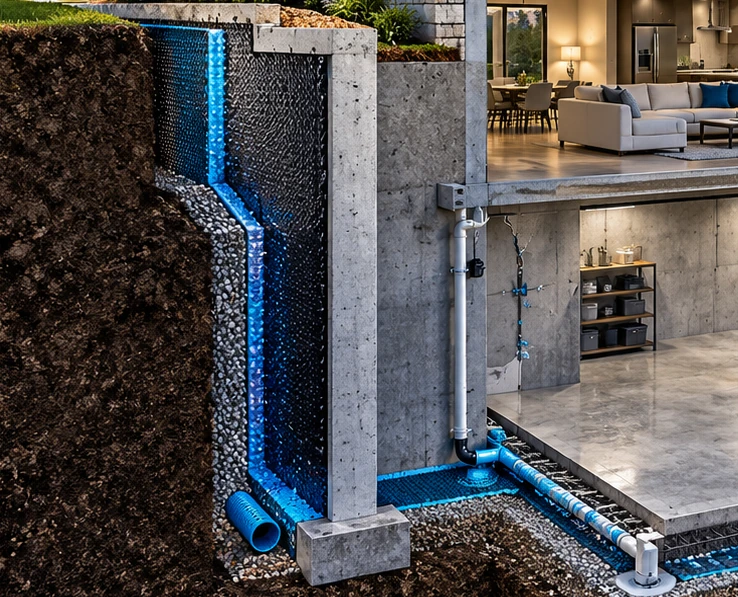 Foundations
Compare exterior waterproofing and interior drainage by purpose, access, disruption, discharge, and maintenance before choosing a basement repair approach.
Read the guide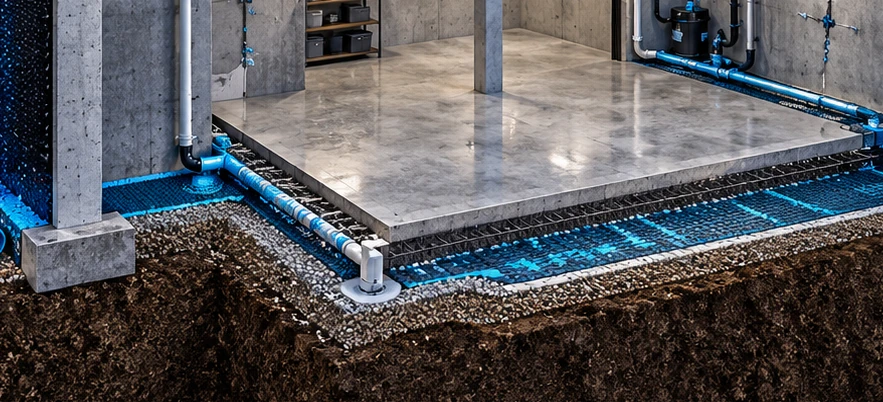 Drainage
French drains and trench drains collect water differently. Understand surface runoff, subsurface collection, outlets, and questions to ask before installation.
Read the guide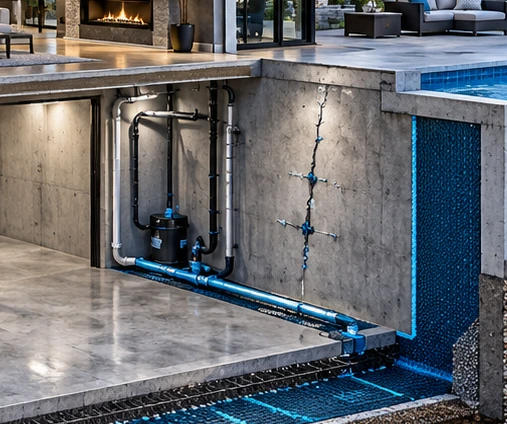 Foundations
Understand the difference between leak-sealing and structural crack repair, what epoxy and polyurethane can do, and what to document before an assessment.
Read the guide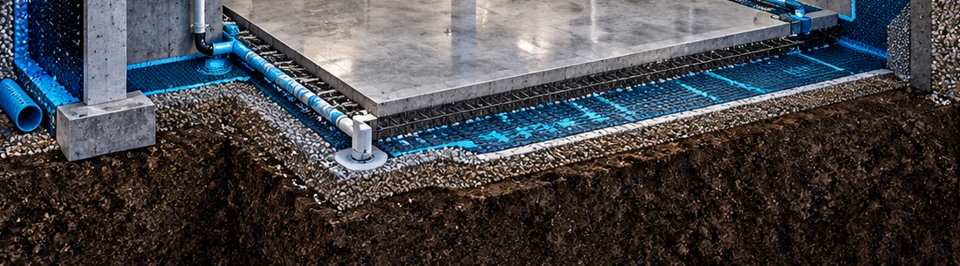 New construction
Plan underslab moisture protection before a pour: distinguish vapor barriers from waterproofing, coordinate penetrations, and document concealed details.
Read the guide Wet areas
Tile is the finish, not the waterproofing plan. Understand shower membranes, transitions, drains, water testing, and the questions to ask before installation.
Read the guide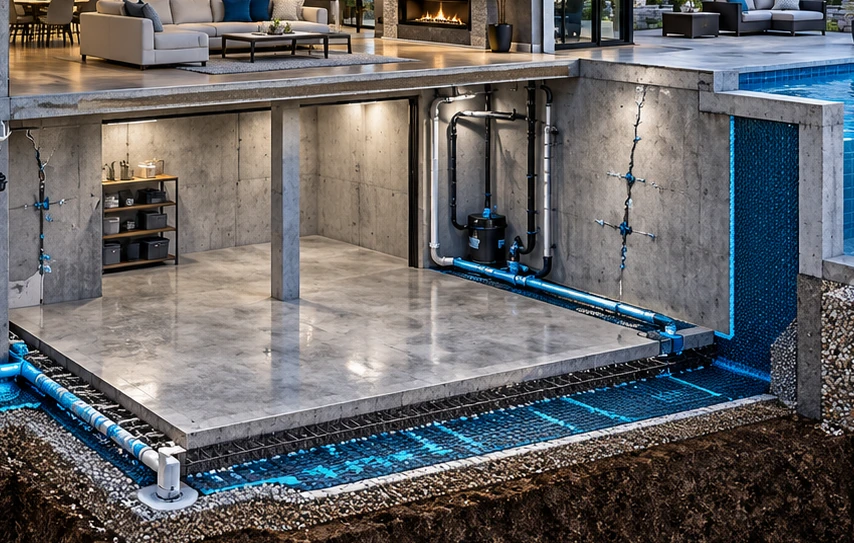 Basement moisture
Condensation, seepage, and humidity can look similar in a basement. Learn which observations help separate them and when more assessment is needed.
Read the guide Planning
Prepare for a waterproofing assessment with a practical checklist for observations, plans, scope, discharge, restoration, maintenance, and written terms.
Read the guideTry “rain,” “drainage,” “crack,” or reset the filters.
A clearer next step